Home / Articles
Clippy-C Braces: The Best Option for Your Teen’s Teeth
Home / Articles
Clippy-C Braces: The Best Option for Your Teen’s Teeth
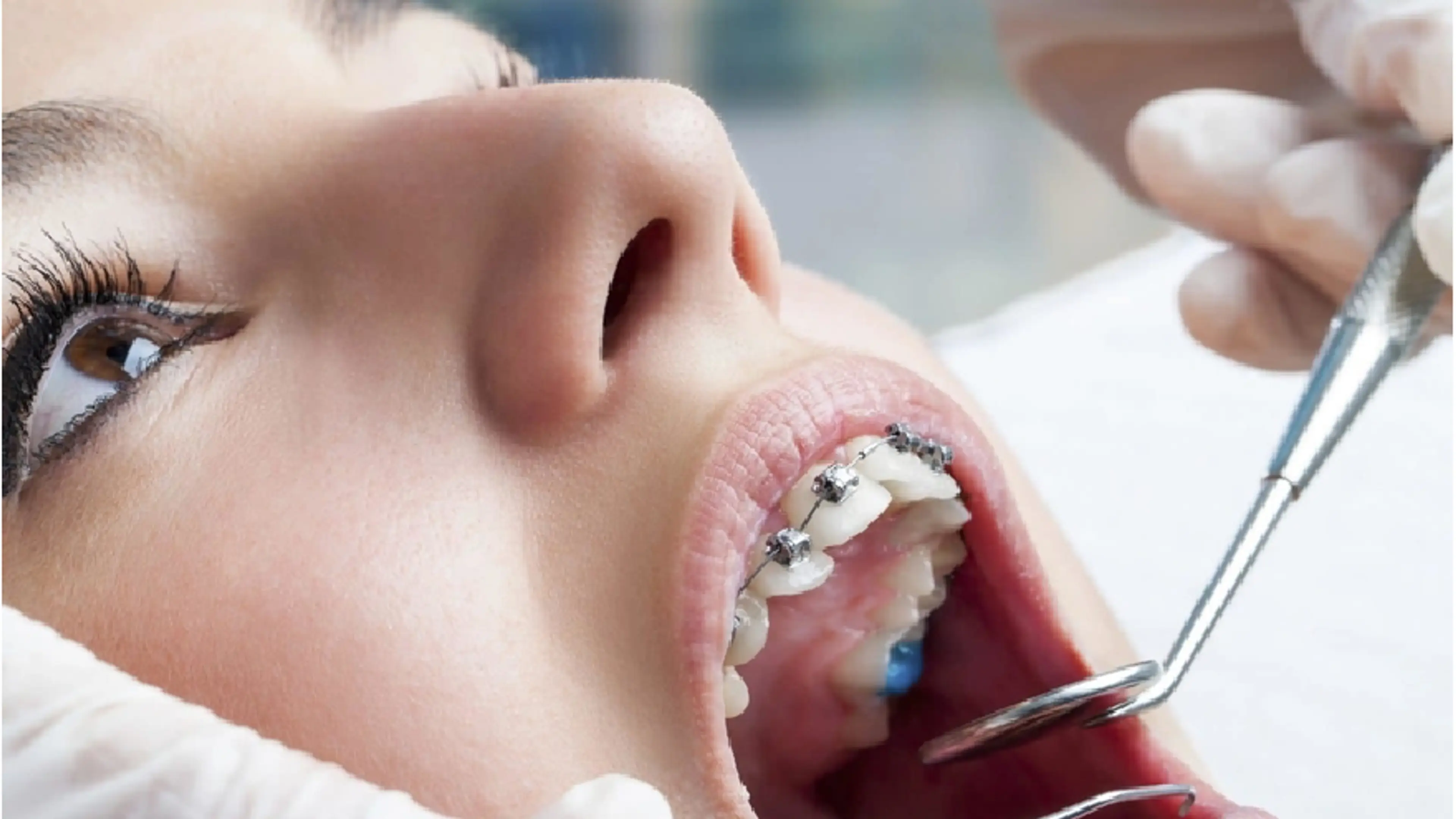
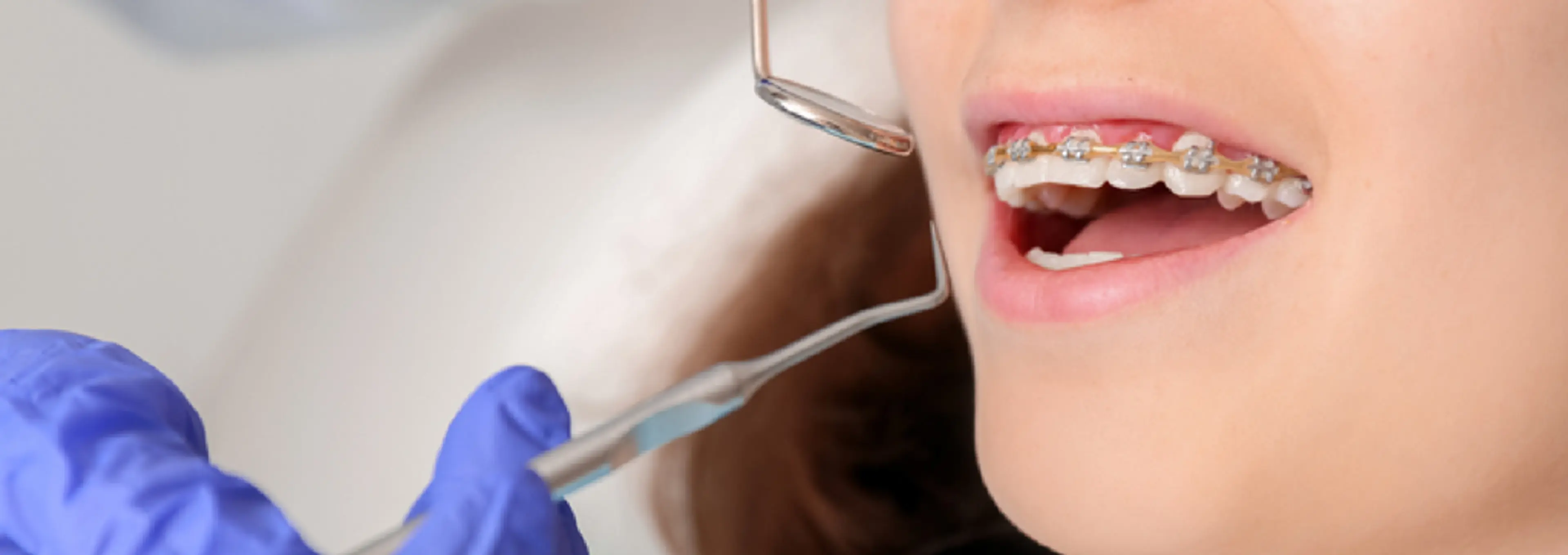
In simple terms: Clippy-C is a ceramic self-ligating bracket system. Rather than using traditional metal brackets with elastic or metal ties to hold the archwire (the wire that applies force to move the teeth), Clippy-C brackets have a built-in clip mechanism that secures the wire without the need for those ties.
Some key features:
Transparent or tooth-coloured ceramic body for better aesthetics.
The rhodium-coated clip is designed for durability, resistance to staining, and smoother sliding of the wire.
Reduced friction compared to conventional tied braces, potentially leading to somewhat faster or smoother treatment.
More comfortable wire changes, as there are no elastic ties to replace.
This design makes Clippy-C an attractive option for teens and their parents who value aesthetics and efficiency, but also want a system that promotes comfort and hygiene.
Because the archwire slides more freely thanks to the self-ligating clip, there’s often less pressure at each appointment and fewer visits may be needed for wire changes. That can mean fewer school disruptions, fewer sore days, and a better overall experience. We’ve found that many of our teen patients report less discomfort and a smoother adjustment period compared to those with conventional braces.
Teen years often involve active tooth movement, growth of jaws, and changing bite conditions. A system that is efficient, flexible, and has good hygiene benefits tends to make sense. The ceramic material and smoother mechanics of Clippy-C make it suitable for dynamic orthodontic cases, especially when the jaw is still developing. This is an important consideration, as early to mid-teen years are often the ideal window for orthodontic correction.
Not every orthodontic case is best served by Clippy-C. When the bite is extremely complex (severe skeletal issues, major jaw discrepancies), a more traditional or specialized appliance might be necessary. So ask:
Will Clippy-C adequately address my teen’s overbite/underbite/crossbite?
What is the expected treatment time with this system compared to others?
Are there limitations with Clippy-C in terms of torque control or complex rotational movements?
At our clinic, we emphasize individual diagnosis: what you often see online is an “average case,” but your teen’s smile is unique. This is why our consultations are thorough and customized. We consider skeletal growth patterns, facial symmetry, and airway health when planning orthodontic treatment.
Ceramic brackets may be more aesthetic but still require excellent hygiene—because the underlying teeth move and the surfaces still accumulate plaque. The self-ligating clip means fewer elastic ties (which often trap food), so that’s a bonus. But your teen still needs to:
Brush carefully around brackets
Use interdental brushes or water flossers
Avoid very hard, sticky, or chewy foods (which can dislodge brackets)
Attend regular check-ups so the orthodontist can monitor movement and prevent issues such as decalcification, which appears as white spots on enamel
We also educate our teen patients on the importance of maintaining gum health, especially since inflamed gums can slow down orthodontic movement and increase treatment time.
Treatment time is often comparable or slightly shorter than traditional braces in suitable cases. However, we always caution against rushing the process. The goal isn’t just speed—it’s achieving a healthy, stable bite and smile. We focus on balancing aesthetics with function, ensuring that teeth are not only straight but also meet harmoniously.
With self-ligating systems like Clippy-C, you may have fewer and shorter adjustment visits. That’s helpful for a busy teen balancing school, extracurriculars, and social life. However:
Visits are still needed every 6 to 8 weeks (or as your orthodontist determines)
Braces typically remain on for 12 to 24 months depending on the starting condition
Retainers must be worn after treatment to maintain results
We work with teens and families to create a schedule that minimizes disruption, and we use digital monitoring tools when possible to track progress between visits.
Once the decision is made, we clean and dry the teeth, then precisely bond the brackets to each tooth. This step requires accuracy and experience. The archwire is then inserted into the self-ligating clips. Because of the system’s design, there are no elastic ties, allowing smoother movement and potentially less friction. Patients often report that this phase feels less invasive than expected.
Your teen will return for periodic check-ups where we monitor tooth movement, make adjustments, and replace the archwire as needed. We also use this time to educate the patient on oral hygiene, diet, and bracket care. This phase is where we see transformation—teeth gradually shift into alignment, bite improves, and facial balance often becomes more harmonious.
Once the desired alignment and bite are achieved, we remove the brackets. A custom retainer is fabricated—either fixed (bonded to the back of teeth) or removable (clear plastic trays). This phase is essential to prevent relapse. We schedule retention check-ups and provide long-term guidance on maintaining results.
Even with a high-tech appliance like Clippy-C, success depends on the teen’s cooperation: hygiene, diet, appointment attendance. Without it, the advantages fade. We emphasize this during the initial consultation, and we involve teens in goal setting. When they feel ownership of the process, outcomes are better.
Because Clippy-C looks more discreet, we’ve seen teens more willing to smile, participate in social activities, and feel less "braces-shy." That psychological boost can impact long-term outcomes because motivated teens are more likely to follow care instructions and wear retainers faithfully.
Ask these questions in your consultation:
What is my teen’s starting condition (crowding, bite, jaw growth)?
Why does the orthodontist recommend Clippy-C over clear aligners or metal braces in this case?
What is the expected treatment time and what factors might extend it?
How many visits will be required? What happens if a bracket breaks or wires shift?
What will the total cost be (brackets, visits, retainer, emergencies) and are there payment plans?
How will you ensure the teen stays comfortable, motivated, and involved throughout the process?
If the orthodontist can answer clearly and you feel comfortable with the plan, then Clippy-C is likely a very viable option for a teenager seeking an efficient, aesthetic, and comfortable way to straighten their teeth.
Personalized diagnostics and orthodontic planning tailored to teens and families
Use of self-ligating systems (like Clippy-C) where clinically appropriate
Comprehensive care continuity—from orthodontics to restorative treatments—so your teen’s smile is managed as part of long-term oral health
A warm, welcoming clinic environment where comfort matters (especially important when teens feel nervous or self-conscious)
If you’ve been considering braces for your teenager and are drawn to the idea of a system that’s effective and discreet, then it’s worth booking a consultation with us. Let’s explore whether Clippy-C is the right path – together.