Home / Articles
Computerized Implant Analysis: Ensuring Precision & Safety
Home / Articles
Computerized Implant Analysis: Ensuring Precision & Safety
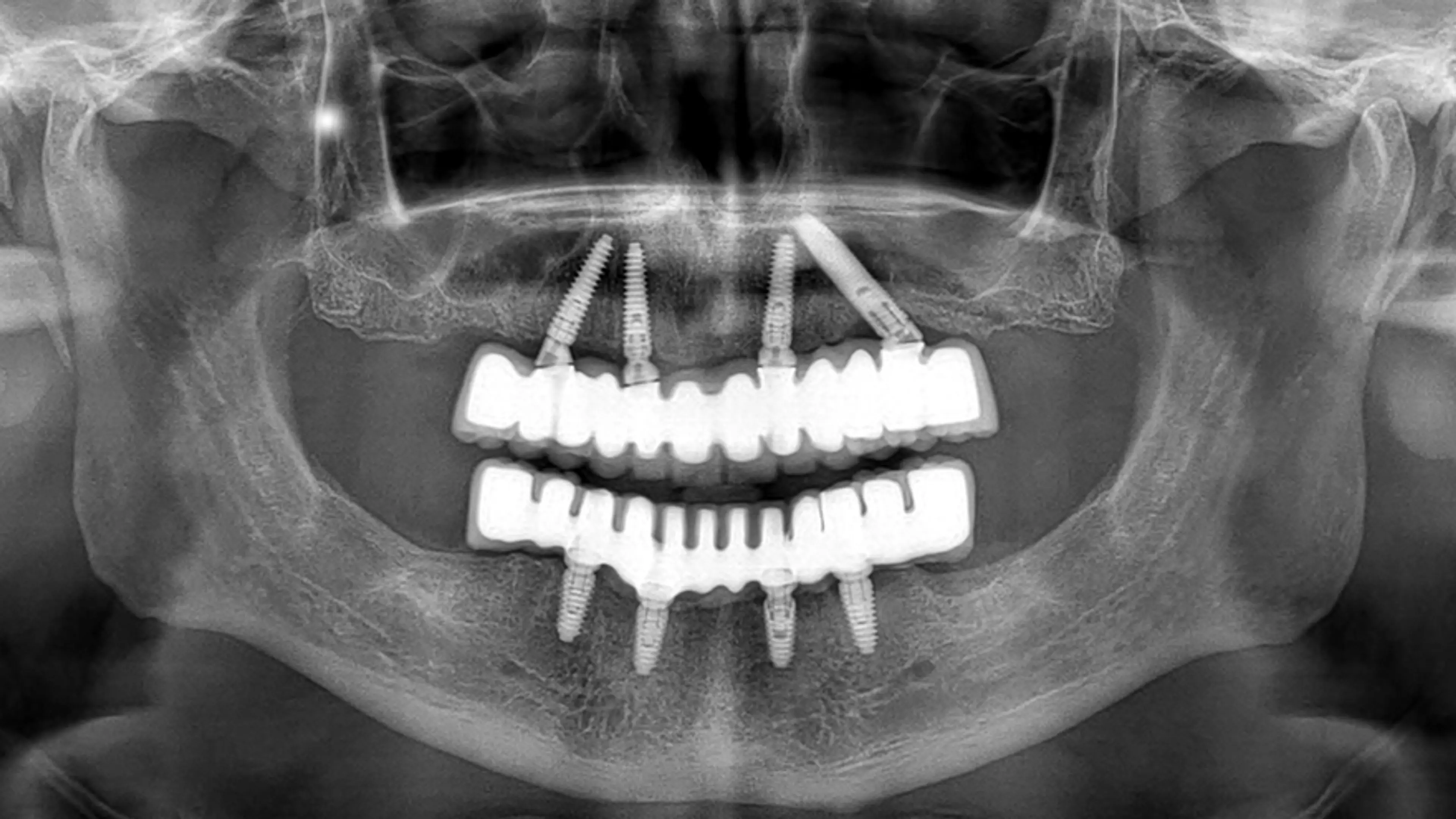
Dental implants have become a revolutionary solution for individuals experiencing tooth loss, offering long-term restoration of both function and appearance. However, the success of implant procedures relies heavily on precise planning and placement. This is where computerized implant analysis comes into play — an essential technology that has dramatically improved the accuracy, safety, and outcomes of dental implants. As dental care continues to evolve, tools like these are reshaping how implants are planned and placed, ensuring that each procedure is as personalized and comfortable as possible.
To put it simply, computerized implant analysis is a sophisticated approach to planning and placing dental implants using advanced digital technologies. At Ye-on Dental Clinic, we rely on these cutting-edge tools to ensure that every patient receives the highest standard of care — whether it's a single implant or a more complex full-mouth restoration.
But what exactly does this analysis entail?
There are a few key reasons why computerized implant analysis is so crucial:
So, how does it actually work from start to finish? Here’s a breakdown of the process:
Once we have the scans, the data is transferred into specialized software that enables us to simulate the implant procedure in a virtual environment. This 3D model allows us to visualize the exact placement of the implant, taking into consideration factors like bone density, the alignment of surrounding teeth, and any potential anatomical issues (such as proximity to nerves or sinuses). The software helps us make informed decisions about the size, angle, and depth of the implant.
Even after the surgery, the benefits of computerized analysis don't stop. Postoperative imaging helps us monitor the healing process and ensures that the implant is integrating with the bone correctly. If any adjustments are needed, we can make them early on, preventing any future complications.
For patients, computerized implant analysis offers a variety of advantages that make the procedure not only safer but also more efficient and comfortable.
Traditionally, implant procedures could be invasive, requiring lengthy surgeries and a significant amount of recovery time. Thanks to the precision offered by digital technologies, the procedure is often quicker, meaning less discomfort and a faster return to normal activities.
With reduced invasiveness, patients experience shorter recovery times, with fewer side effects and a lower risk of infection. Most patients can resume their daily routine in a matter of days instead of weeks.
Because the procedure is meticulously planned in advance, patients can feel more confident that the implant will be placed exactly where it needs to be. This precision leads to higher success rates and fewer post-surgery adjustments.
In some cases, patients may not have sufficient bone density to support a dental implant. Computerized analysis can help identify areas where bone grafting may be necessary. The software helps pinpoint the best spots for grafting, allowing us to preserve as much of the natural bone as possible and reduce the need for multiple surgeries.
Dr. Son, a graduate of Seoul National University School of Dentistry, has over eight years of experience in dental implantology. His approach is focused on ensuring that each patient receives a customized, precision-driven treatment plan. We understand the anxieties and concerns that come with dental implants, especially when it comes to safety and the potential for complications. That’s why we prioritize comprehensive diagnostic imaging and meticulous planning to make sure our patients are comfortable every step of the way.
Moreover, because we specialize in both restorative and advanced dental treatments, we are equipped to handle a wide range of implant cases, whether it’s a single implant, full-mouth restoration, or more complex procedures requiring sedation dentistry.
As technology continues to advance, the future of dental implants looks even more promising. Computerized implant analysis, combined with innovations in materials and techniques, will continue to improve the precision, speed, and safety of implant procedures. For example, some researchers are already exploring the use of artificial intelligence (AI) to further enhance surgical planning and predict outcomes.
Reach out to us today for a consultation, and let us help you restore your smile with the highest level of precision and care.