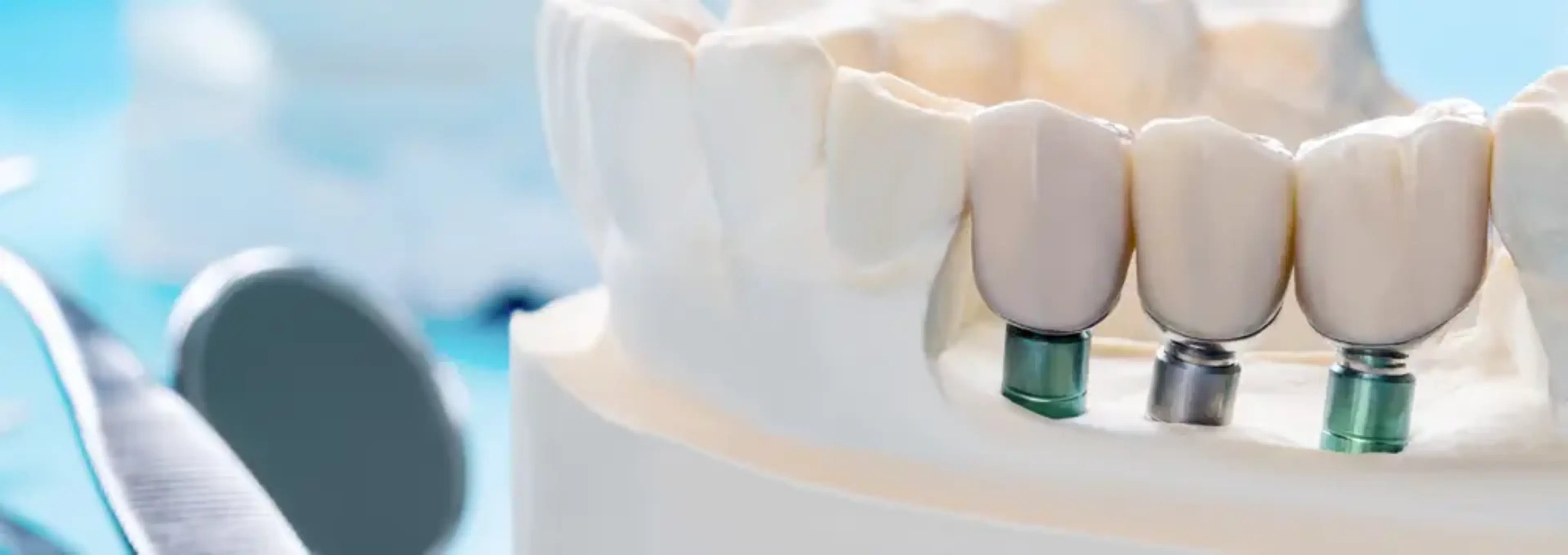
If you're missing a tooth, you're probably considering your options for replacing it. Among the most common solutions are dental implants and dental bridges. Both are designed to restore your smile, but they do so in different ways — and each has its own set of benefits and potential drawbacks.
At Ye-on Dental Clinic, we understand that choosing the right solution is not always a straightforward decision. We know how important it is to make an informed choice based on your personal dental health, budget, and long-term goals. In this article, we’ll break down the differences between dental implants and bridges, the benefits of each, and how you can determine which option is the best fit for your needs.
What Are Dental Implants?
what-are-dental-implants
A
dental implant is a titanium post that is surgically placed into the jawbone, where the root of the missing tooth would normally be. Over time, the implant fuses with the bone through a process called osseointegration, creating a stable foundation for a custom-made crown to be attached on top. The result is a tooth that feels and functions just like a natural one.
Advantages of Dental Implants
advantages-of-dental-implantsPermanent Solution: With proper care, dental implants can last a lifetime, making them a long-term investment in your oral health.
Preserves Jawbone Health: Implants stimulate the bone, preventing the deterioration that can occur when a tooth is missing.
Natural Appearance: Because they are embedded into the bone, implants offer a more natural look and feel compared to bridges or dentures.
No Impact on Adjacent Teeth: Unlike bridges, implants do not require modification or support from adjacent teeth.
Drawbacks of Dental Implants
drawbacks-of-dental-implantsCost: Dental implants tend to be more expensive upfront than bridges or dentures. This is due to the surgical procedure and the materials used.
Treatment Time: The entire process can take several months, from initial placement to the final crown.
Surgical Procedure: Some patients may be nervous about the surgery, though sedation dentistry options can alleviate this concern.
What Are Dental Bridges?
what-are-dental-bridges
A dental bridge is a prosthetic device used to fill the gap left by a missing tooth. It involves creating a false tooth (pontic) that is anchored by crowns placed on the adjacent healthy teeth. The surrounding teeth are shaped to accommodate the crowns, and the bridge is then cemented into place.
Advantages of Dental Bridges
advantages-of-dental-bridgesFaster Procedure: Unlike implants, which require surgery and several months of healing, bridges can typically be placed in just two or three visits.
Lower Initial Cost: Bridges are generally more affordable than dental implants, especially in the short term.
No Surgery Required: If you're uncomfortable with the idea of surgery, bridges offer a non-invasive alternative to implants.
Drawbacks of Dental Bridges
drawbacks-of-dental-bridgesMay Affect Healthy Teeth: To secure the bridge, adjacent teeth must be reduced or altered. This can affect the long-term health of the supporting teeth.
Less Durability: While bridges can last a long time (typically 5 to 15 years), they generally don't offer the same longevity as implants.
Risk of Bone Loss: Since the bridge doesn't stimulate the jawbone, there's a risk of bone loss at the site of the missing tooth over time.
Key Differences: Implants vs. Bridges
key-differences:-implants-vs.-bridgesFeature | Dental Implants | Dental Bridges |
|---|
Procedure | Requires surgery and healing time | Non-invasive, typically completed in 2-3 visits |
Durability | Can last a lifetime with proper care | 5-15 years, depending on care and materials |
Impact on Adjacent Teeth | None – only the missing tooth is replaced | Adjacent teeth must be altered to support the bridge |
Bone Preservation | Stimulates bone growth, preventing bone loss | Does not preserve bone health over time |
Appearance | More natural and resembles a real tooth | Can look natural but may not blend as well over time |
Cost | Higher initial cost | More affordable in the short term |
Which Is Better for You?
which-is-better-for-youThe choice between dental implants and bridges largely depends on your specific needs, preferences, and oral health condition. Let’s break it down:
When Dental Implants May Be a Better Choice
when-dental-implants-may-be-a-better-choiceLong-Term Solution: If you're looking for a permanent solution that mimics the function and appearance of a natural tooth, implants are the way to go.
Preserving Bone Health: If you're concerned about bone loss in the area of your missing tooth, implants are the best option. By stimulating the jawbone, they help prevent deterioration.
Healthy Adjacent Teeth: If your adjacent teeth are healthy and don’t need modification, dental implants are ideal. You won’t have to sacrifice any surrounding teeth.
Higher Budget: Implants are a larger upfront investment, but if you're willing to invest in a long-term solution, they provide great value.
When Dental Bridges May Be a Better Choice
when-dental-bridges-may-be-a-better-choiceBudget-Friendly Option: If you’re looking for a more affordable solution and are okay with a shorter-term commitment, dental bridges offer a good alternative to implants.
Faster Treatment: If you need a faster solution, bridges are typically placed in fewer visits and don’t require any surgery.
No Interest in Surgery: If you’re not comfortable with the idea of surgery or don’t have the time to wait for implants to heal, a bridge could be a better fit.
Not Concerned About Bone Loss: If you’re not overly concerned about long-term bone health and just need a solution to replace a missing tooth, a bridge may be sufficient.
A Clinic’s Perspective: Why Choose Ye-on Dental Clinic?
a-clinic's-perspective:-why-choose-ye-on-dental-clinicAt Ye-on Dental Clinic, we prioritize patient comfort and precision. Whether you decide on an implant or bridge, our experienced team, led by
Dr. Son Yejun, will guide you through every step of the process, ensuring that you fully understand the pros and cons of each option.
If you choose dental implants, we offer state-of-the-art technology like navigation-guided implants, which enhance the precision and minimize the invasiveness of the procedure. On the other hand, if a bridge is more suitable for your situation, we’ll ensure that it blends seamlessly with your natural teeth, offering both function and aesthetic appeal.
We also understand that dental anxiety is a real concern for many patients, and that’s why we offer sedation options to ensure your comfort, regardless of the procedure you choose.
Conclusion: Making Your Choice
conclusion:-making-your-choiceTo sum it up, both dental implants and bridges are viable solutions for replacing missing teeth, but they each have their distinct advantages. Implants offer a longer-lasting, more natural result with benefits for your bone health, while bridges provide a quicker, more budget-friendly option, though at the cost of potentially impacting your surrounding teeth.
If you’re still unsure which option is best for you, don’t hesitate to consult with a professional dentist. A personalized consultation at a clinic like Ye-on Dental Clinic will ensure that you make the right decision based on your oral health needs, lifestyle, and goals. We’re here to help you achieve a beautiful, healthy smile that lasts.
Have questions? Reach out to
Ye-on Dental Clinic today and explore your options for dental implants, bridges, and other restorative treatments!