Home / Articles
How to Keep Your Braces Clean and Well-Maintained
Home / Articles
How to Keep Your Braces Clean and Well-Maintained
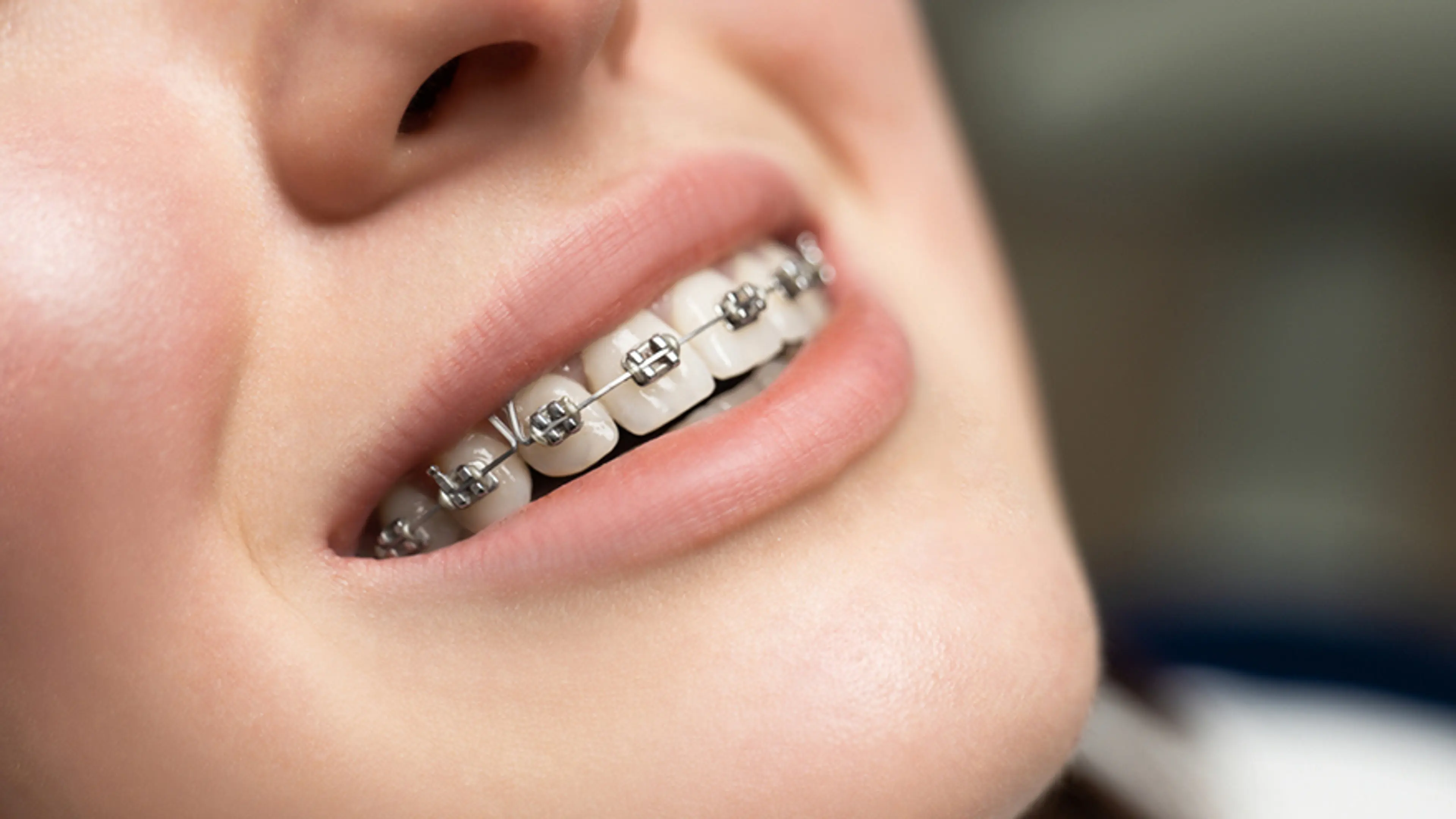
Wearing braces means your teeth and gums encounter extra surfaces and nooks (brackets, wires, bands) where food debris and bacteria can hide. If oral hygiene isn’t kept up, this can lead to white-spot lesions (early enamel decalcification), gum inflammation (gingivitis), and even cavities while treatment is ongoing.
Brushing with braces isn’t more difficult, but it does take more time and attention.
Use a soft-bristled toothbrush (manual or electric) so you don’t damage the brackets or irritate your gums. Soft bristles are better at adapting to the contours of brackets and wires.
Brush after every meal or snack, ideally within 10 to 15 minutes. Braces trap food particles, and prolonged exposure can lead to enamel damage.
Technique matters:
Angle your toothbrush at 45 degrees toward the gumline to clean the area where your gums and brackets meet.
Then clean the top of each bracket (toward the chewing surface) and below each bracket (toward the gumline). This ensures all surfaces are covered.
Don’t forget to clean the chewing surfaces and the backs of your teeth, which are often neglected.
Brush for a full two minutes—some patients even break it up by quadrant (30 seconds per section).
If you’re out and can’t brush, rinse your mouth with water to remove as much food debris as possible until you can brush properly.
Replace your toothbrush or brush head every 3 months, or sooner if the bristles become frayed.
Braces make flossing trickier, but it’s not optional. It’s essential for preventing plaque buildup and maintaining gum health.
Use floss threaders or special orthodontic floss to navigate under the archwires.
Carefully insert the floss between each tooth, curve it into a C-shape, and clean both tooth surfaces and just beneath the gumline.
Alternatively, interdental brushes are excellent for cleaning around brackets and between teeth. Choose a size that fits comfortably without forcing it.
Water flossers can also be effective. While they don’t replace traditional floss, they help flush out debris and can be more comfortable for sensitive gums.
Make interdental cleaning part of your nightly routine, and don’t skip it—even one missed day can start gum inflammation.
In addition to brushing and flossing, mouth rinses can provide added protection.
A fluoride mouthwash helps remineralize enamel and reduce bacterial load. It’s especially useful if you’re prone to white spots.
Antiseptic mouth rinses can reduce inflammation and kill bacteria in hard-to-reach areas.
Tongue scrapers and gentle tongue brushing can reduce bacteria that cause bad breath.
Saliva-neutralizing products like xylitol gum or lozenges can help balance your oral pH, especially after meals.
Your food choices directly impact how easy or difficult it is to keep your braces clean.
Avoid sticky foods (like caramel or taffy), hard foods (like nuts, popcorn, and hard candy), and overly chewy items (like gum or jerky). These can damage the brackets or get trapped in hard-to-clean places.
Cut crunchy foods like apples or carrots into small, manageable pieces. Eating with your back teeth minimizes stress on the brackets.
Reduce snacking frequency—each eating event restarts the acid cycle in your mouth. Fewer snacks mean fewer chances for enamel damage.
Rinse or brush after sugary or starchy foods. These can accelerate bacterial growth, especially around the brackets.
We see it often: patients who think they’re brushing well, but still develop gum issues or white spots. Here’s what people commonly overlook:
Brushing alone isn’t enough. Without flossing and interdental cleaning, plaque stays hidden between teeth and under wires.
Patients sometimes skip cleanings or delay visits because they’re "already in treatment." But orthodontic check-ups don’t replace professional cleanings.
Swelling and bleeding gums are often early signs of inflammation. Rather than brushing more aggressively, this usually means you're missing plaque around the brackets.
When brackets break due to hard foods, treatment time often extends. Worse, the exposed area becomes more prone to food buildup.
To be honest, we’d rather spend a few extra minutes coaching hygiene than deal with preventable enamel damage later. Long-term, it saves time, cost, and disappointment.
We offer tailored hygiene instructions at the start of treatment, including a hands-on demo of brushing and flossing around your appliance.
Using intraoral cameras and high-resolution imaging, we track plaque levels, enamel changes, and gum health over time—something you may not notice at home.
For patients who experience dental anxiety or difficulty during cleaning, our sedation options make hygiene appointments more relaxed.
We encourage open communication: if something feels uncomfortable, if a bracket pops off, or if you’re unsure how to clean a tricky area—we’re here to help.
Your smile isn’t just our priority—your comfort and long-term oral health are, too.
Things happen, and that’s okay. What matters is how quickly and properly we respond.
Bracket or wire becomes loose or broken? Don’t wait. Loose components can trap food or misapply pressure. Call us to reattach or replace it.
Gums bleed during brushing? That usually signals inflammation from missed plaque. Improve your cleaning routine and consider a check-up.
White or chalky spots appear near brackets? These may be signs of enamel decalcification. The sooner we address it, the better the outcome.
Food constantly gets trapped in the same place? We can show you how to adapt your tools or even slightly adjust hardware if needed.
Don’t be embarrassed to ask—we’ve seen it all, and our job is to help you feel comfortable and informed every step of the way.
A beautifully straight smile is only part of the goal. We want your teeth to be just as healthy at the end of treatment as they were (or better!) when we started.
When you clean properly, your gums stay firm and pink, making your smile look brighter and more youthful.
Proper hygiene prevents the need for additional treatments like fillings, fluoride treatments, or enamel microabrasion after braces come off.
Your braces work more efficiently when your mouth is clean, which can even help shorten treatment time in some cases.
Most importantly, the confidence you gain from maintaining your oral health is just as important as the cosmetic results.
If you’re wondering how rigorous you need to be—the answer is: as rigorous as you would be if you really cared about the final result. The braces will guide your teeth, but your hygiene guides the health of your teeth.