Home / Articles
Lingual Braces: The Best Option for Teens and Adults
Home / Articles
Lingual Braces: The Best Option for Teens and Adults
Imagine going through orthodontic treatment without anyone noticing. No visible wires, no metal smile in selfies, no awkward moments at work or school. That’s the appeal of lingual braces — a discreet yet highly effective solution for straightening teeth. At Ye-on Dental Clinic in Namdong-gu, Incheon, we’ve seen firsthand how lingual braces have transformed the experience for teens and adults seeking aesthetic orthodontic care.
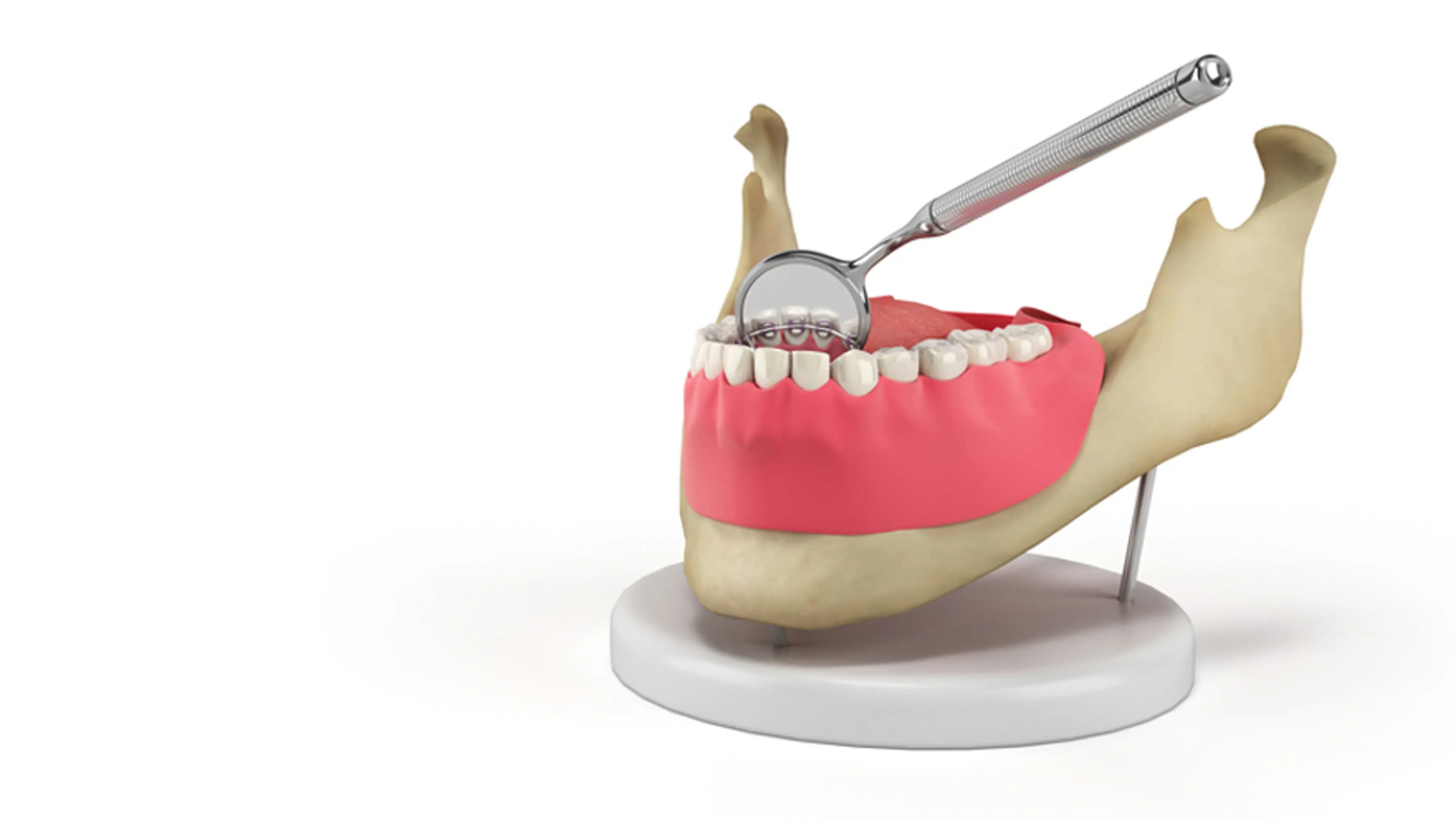
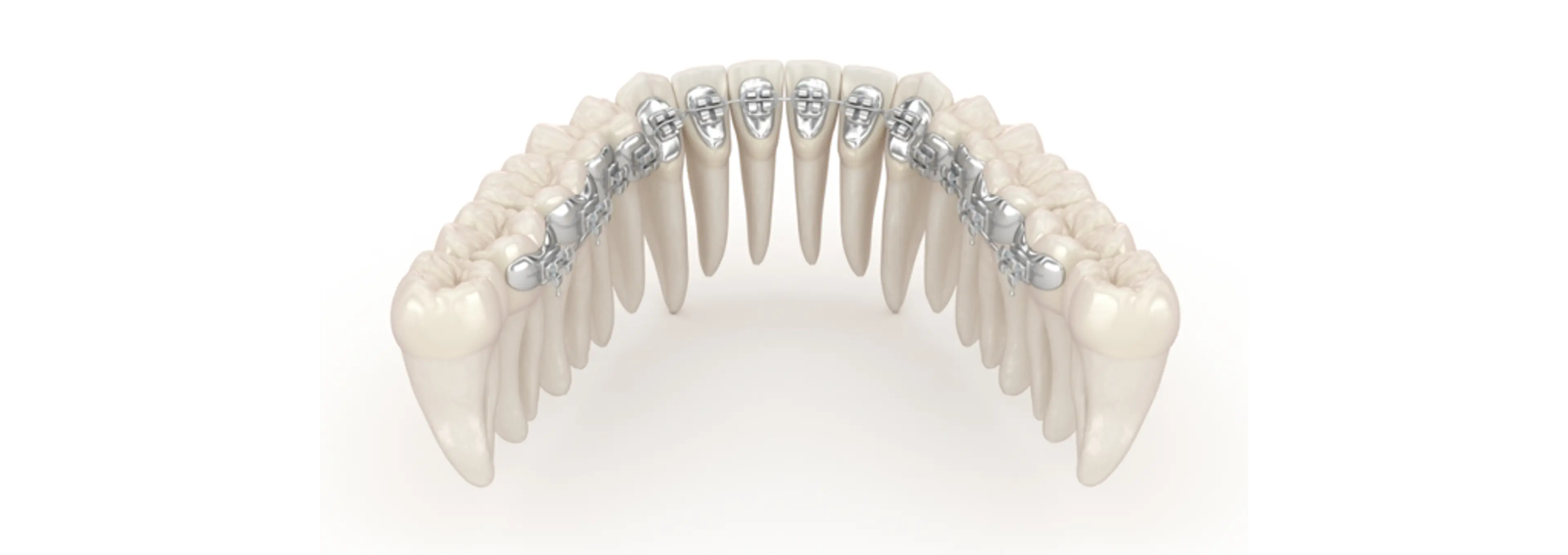
Lingual braces are similar to traditional metal braces in function but are placed on the back (lingual side) of the teeth rather than the front. This positioning makes them virtually invisible when you smile, talk, or eat. They use custom-made brackets and wires, designed to fit the contours of your teeth precisely.
What sets them apart is the combination of invisibility and the full corrective power of fixed braces. They can handle complex orthodontic issues, including bite corrections, severe crowding, and spacing problems.
In Korea, orthodontic treatment is common among both teenagers and adults. From middle schoolers preparing for high school to office workers aiming to enhance their appearance, there is strong cultural interest in straight teeth. But while traditional braces are effective, their appearance can be a concern.
Many adult patients, especially professionals or those in public-facing roles, worry about how braces may affect their confidence or image. Teens, too, often feel self-conscious during those impressionable years. Lingual braces offer a solution that lets you go through orthodontic treatment without broadcasting it to the world.
Fitting lingual braces is not a one-size-fits-all process. It’s more like tailoring a hanbok — carefully customized for the person wearing it. Each bracket is fabricated specifically for your teeth, often using 3D scanning and CAD/CAM technology. This level of precision not only improves comfort but also increases the effectiveness of tooth movement.
At Ye-on Dental Clinic, we utilize advanced imaging and design software to ensure the most accurate fit possible. This personalization is one of the reasons lingual braces are especially suited for complex or nuanced cases.
To be honest, lingual braces take some getting used to. Because they sit so close to your tongue, they can cause initial discomfort or speech changes. Some patients notice a temporary lisp. Others feel irritation to the tongue, especially in the first few weeks.
But like learning to use chopsticks as a child, the awkwardness fades. Within a few weeks, most patients adapt fully. Today’s lingual systems are much more comfortable than earlier versions, with smaller brackets and smoother edges.
From a dentist's perspective, the initial adaptation period is entirely normal and expected. We often recommend wax applications and speech exercises to ease the transition.
Maintaining oral hygiene with lingual braces is a bit more demanding than with standard braces. Because they're harder to see, it's also harder to spot leftover food or plaque. Patients need to be diligent with brushing and may benefit from tools like interdental brushes, floss threaders, or water flossers.
At our clinic, we provide personalized oral care instructions and regular check-ups to help patients stay on track. It’s a commitment, yes, but one that pays off with healthier teeth and gums throughout treatment.
Lingual braces are typically more expensive than other types of braces. The reasons are understandable: they require more chair time, customization, and advanced technology. The orthodontist’s expertise in positioning and adjusting lingual appliances is also a factor — this is not a treatment every clinic offers.
However, many patients view the cost as a worthwhile investment in their appearance, comfort, and confidence. Especially for adults who want to maintain a professional image or teens who feel anxious about how they look, the discretion of lingual braces is invaluable.
If budget is a concern, we offer transparent treatment plans and installment options at Ye-on Dental Clinic, helping patients balance financial realities with long-term goals.
It’s natural to compare lingual braces with other discreet options, especially Invisalign. Both are designed to be less visible than metal braces, but they have key differences.
Invisalign uses clear, removable aligners. It's great for mild to moderate cases and offers flexibility for eating and cleaning. However, it requires discipline. The aligners must be worn 20–22 hours a day, and not all patients follow through.
Lingual braces, on the other hand, are fixed appliances. You can’t remove them, which ensures consistent tooth movement. They can also address more complex cases that Invisalign might struggle with.
At Ye-on Dental Clinic, we often help patients compare both options. If you have complex orthodontic needs or prefer not to worry about wearing aligners properly, lingual braces may be the better fit.
One of our adult patients, a 34-year-old teacher, shared how lingual braces allowed her to continue her job without drawing attention to her treatment. “My students never even noticed,” she laughed. “I loved that I could straighten my teeth without anyone asking questions.”
Another patient, a high school student preparing for university entrance interviews, said he felt more confident facing the camera and interacting with professors. “I was nervous about braces affecting my smile,” he admitted. “But with lingual braces, I didn’t have to worry.”
These stories remind us that orthodontics is not just about teeth — it’s about how people feel about themselves. Discreet treatment options can make a big emotional difference.
Lingual braces are ideal for:
Adults with professional or social reasons for seeking discreet treatment
Teens who are self-conscious or active in sports and performance
Patients with complex orthodontic needs that clear aligners can’t address
They’re not for everyone, of course. Some people may find the adjustment period too uncomfortable or prefer a lower-cost option. But for those who value aesthetics and precision, lingual braces are often the best choice.
Choosing lingual braces is a partnership between patient and orthodontist. At Ye-on Dental Clinic, we begin with a comprehensive consultation — including 3D scans, bite analysis, and a discussion of your goals. From there, we create a personalized treatment plan that prioritizes both results and comfort.
We also offer sedation dentistry for those who feel anxious, and flexible scheduling for working adults and students. Our goal is not just to straighten teeth but to do it in a way that fits your life.
In the world of modern orthodontics, lingual braces stand out as a fusion of precision and discretion. They allow you to pursue a better smile without sacrificing your comfort, confidence, or lifestyle.
If you’ve been thinking about orthodontic treatment but hesitating because of how it might look, lingual braces may be the answer. Visit a clinic that understands both the technical and emotional sides of dental care.
And if you're in Incheon, we invite you to Ye-on Dental Clinic — where advanced technology meets compassionate, personalized treatment. Your smile deserves nothing less.