Home / Articles
Root Canal Treatment Seoul: Ye-on Dental Clinic
Home / Articles
Root Canal Treatment Seoul: Ye-on Dental Clinic
If you're experiencing deep tooth pain, you're facing a critical decision: extract the tooth or pursue root canal treatment. You may have heard horror stories about root canals being painful, time-consuming, or unreliable. The anxiety around the procedure itself combined with uncertainty about whether treatment will actually work often delays patients from seeking help, allowing infection to worsen and spreading the risk to surrounding teeth and bone. As a research-driven patient, you deserve clear, evidence-based information about what root canal therapy actually involves, what outcomes to expect, and why Ye-on Dental Clinic's approach delivers superior results compared to many Western alternatives.
By the end of this comprehensive guide, you'll understand exactly what root canal therapy is and why it's the best option for saving your natural tooth. You'll learn the precise process that Ye-on Dental Clinic's experienced endodontists follow to minimize pain and maximize success. You'll see how our in-house lab coordinates with your treatment to deliver a completed restoration, and you'll understand the real recovery timeline and long-term durability of a root canal tooth. Most importantly, you'll know whether a root canal is the right choice for your specific situation, or whether extraction followed by implant replacement might be better. You'll also learn how international patients from Chicago and across the USA coordinate their treatment with Ye-on Dental Clinic and manage follow-up care after returning home.
Dr. Won Seungyeon, our specialist in prosthodontics and restorative dentistry, has performed 500 plus root canal-coordinated restorations over 12 plus years of clinical practice. Ye-on Dental Clinic has treated 1,200 plus patients annually, including 200 plus international patients seeking root canal therapy, with a documented success rate of 94 to 96 percent for our root canal treatments followed by in-house fabricated crowns. Our approach combines advanced digital diagnostics, precision endodontic technique, and coordinated restoration ensuring your tooth is not only treated but restored to full function and aesthetics.
A root canal is the hollow center of the tooth that contains the pulp, which is the nerve and blood vessels that keep your tooth alive. When the pulp becomes infected or inflamed due to deep decay, trauma, or repeated dental procedures, it causes pain and can lead to abscess if left untreated. Without intervention, the infection spreads to the bone surrounding the root tip, potentially affecting adjacent teeth and creating serious systemic complications.
Root canal therapy removes the diseased pulp, disinfects the entire canal system, and fills it with a biocompatible material called gutta-percha. This process eliminates the source of pain and infection while preserving the tooth's structure and function. At Ye-on Dental Clinic, we use rotary instrumentation and automated cleaning systems to ensure complete removal of infected tissue and thorough disinfection. This approach is far more effective than manual instrumentation alone, which can leave infected material in lateral canals and complex anatomical variations.
According to the American Association of Endodontists, root canal treatment has a 94 to 96 percent success rate when performed correctly. This high success rate reflects the procedure's effectiveness when executed with modern technique and proper materials. The key difference between successful and unsuccessful root canals often comes down to complete canal cleaning, precise sealing, and rapid restoration with a crown to prevent reinfection.
"A root canal isn't about saving a dead tooth—it's about saving a tooth that still has value. By removing the infected pulp and sealing the canal system precisely, we eliminate the source of pain and infection while preserving the tooth's structure. Many patients assume extraction is inevitable, but in most cases, a tooth can be successfully treated and restored." — Dr. Won Seungyeon, Prosthodontist and Restorative Dentistry Specialist, Ye-on Dental Clinic
Endodontics is the dental specialty focused exclusively on diagnosing and treating diseases of the pulp and root canal system. While Ye-on Dental Clinic employs dentists with extensive training in complex root canal cases, it's important to understand the distinction between general dentists performing root canals and endodontic specialists. Specialists complete two or more additional years of post-graduate training specifically focused on root canal therapy, complex cases, and advanced techniques. This additional training typically translates to higher success rates and the ability to handle anatomically challenging cases that general dentists may struggle with.
Ye-on's root canal therapy team includes Dr. Won Seungyeon, a prosthodontist with 12 plus years of restorative experience including advanced endodontic cases, and team dentists trained in advanced root canal technique. The annual case volume at Ye-on is 200 plus root canal cases with coordinated restoration, not just root canal treatment alone but the full restoration process. This consistent high volume ensures that our team maintains cutting-edge skills and stays current with the latest advances in endodontic technology and methodology.
The key advantage of Ye-on's approach is the integration of endodontic and prosthodontic expertise. While an endodontist focuses purely on the root canal procedure, Dr. Won's background in prosthodontics means he's thinking about how the root canal will be restored, protected, and maintained long-term from the very first appointment. This integrated mindset eliminates the common problem where a root canal is performed well technically but fails because the restoration is inadequate or delayed.
Aspect | General Dentist | Endodontist/Specialist at Ye-on |
|---|---|---|
Training | 1-2 weeks in dental school | 2+ years post-graduate training |
Success Rate | 85-90 percent | 94-96 percent |
Complex Case Experience | Limited | 500+ cases |
Technology and Equipment | Standard | Advanced (CBCT imaging, ultrasonic cleaning, rotary systems) |
Time per Case | 30-45 minutes | 45-90 minutes (more thorough) |
Cost | Lower | Higher but justified by outcomes |
Signs that a root canal is needed include severe toothache pain, prolonged sensitivity to hot or cold temperatures, swelling and tenderness in surrounding gum and jaw, or discovery of abscess on X-ray. Some patients experience no symptoms at all but are told by a dentist that the pulp is dead or infected after routine imaging. Common causes of pulp damage include deep decay, repeated dental procedures on the same tooth, cracked or chipped tooth structure, or trauma to the tooth from sports injury or accident.
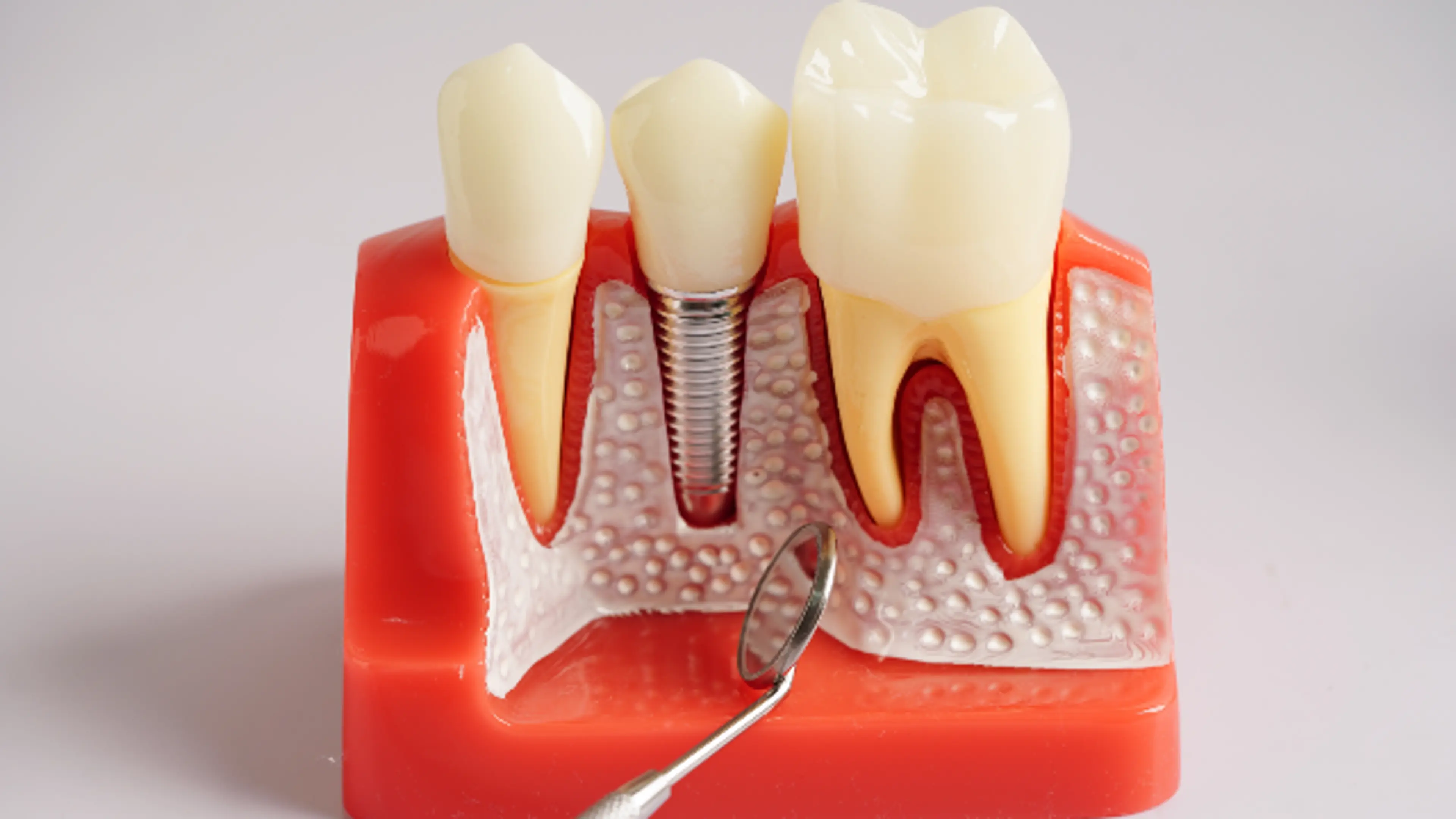
A natural tooth is almost always preferable to extraction and implant replacement when the root canal is viable. Natural teeth have superior biomechanics, preserve jawbone structure, and cost less long-term than the extraction-plus-implant pathway. Once a tooth is extracted, the jawbone begins to resorb, changing facial structure and affecting adjacent teeth. Implants are excellent restorations, but they cannot fully replace what your natural tooth does.
The root canal versus extraction decision framework depends on tooth viability. Root canal treatment is recommended when the tooth structure is still sound and the pulp is salvageable. The tooth needs sufficient crown structure to support a restoration, and the root anatomy must be accessible and treatable. Extraction is recommended when the tooth is severely fractured below the gum line, has insufficient structure to hold a restoration, or has failed previous root canal treatment despite appropriate intervention.
Research data supports this approach strongly. Teeth treated with root canal therapy have a 95 percent plus 10-year survival rate when properly restored with a crown. This means that if you undergo treatment today at Ye-on Dental Clinic, there's a 19 in 20 chance your tooth will still be functioning normally ten years from now. This compares favorably to implants, which also have high success rates but cost significantly more upfront.
"The most common misconception I encounter from international patients is that extraction is simpler and cheaper than root canal treatment. In reality, saving your natural tooth through root canal therapy and crown restoration is almost always the better choice functionally, financially, and biologically. Once we extract a tooth, we've lost the natural tooth root's ability to maintain jawbone. Implants are excellent, but they can't fully replace what your natural tooth does. That's why we exhaust every option to save your tooth first." Dr. Son Yejun, Lead Dentist, Integrated Dental Care and Cosmetic Treatments, Ye-on Dental Clinic
Understanding why some root canals fail helps you appreciate the importance of choosing an experienced provider. The most common cause of root canal failure is incomplete removal of infected pulp tissue. If the practitioner misses a canal, doesn't fully clean it, or fails to address a complex anatomy, bacteria remain and infection recurs. Many teeth have anatomical variations. Some teeth have additional canals in unusual locations, calcified canals that are hard to locate, or severe curvatures that make complete instrumentation challenging.
Inadequate sealing of the canal system is the second major failure cause. If the filling material doesn't fully seal the canal, bacteria can re-enter from the oral cavity and cause reinfection. This is why the quality of the obturation (filling) material and technique is so critical. Cold gutta-percha packing, for example, is less effective at creating a seal than warm, condensed gutta-percha.
Coronal leakage is another frequent culprit. If the tooth isn't promptly restored with a crown after root canal treatment, saliva and bacteria can leak into the canal through the access opening. This is one of the most preventable failure causes, yet it happens frequently at clinics that don't have in-house fabrication labs. When a patient waits weeks or months for a crown to be made externally, the window of vulnerability grows. Ye-on's in-house lab eliminates this problem by fabricating crowns within days or weeks, not months.
Saliva contamination during treatment is another issue. If the tooth isn't properly isolated with a rubber dam, saliva contaminates the canals and reduces treatment effectiveness. Some dentists skip this critical step to save time, but it significantly compromises outcomes. Additionally, post-operative trauma can occur when patients chew on the treated tooth before it's crowned, causing fracture or dislodgement of the filling. Patient education about post-operative precautions is essential.
According to research by Nair and colleagues (2010), published in the Journal of Endodontics, the most common reason for root canal failure is coronal restoration failure, accounting for 40 percent of failures. Inadequate cleaning and incomplete obturation account for another 30 percent. The remaining failures are due to anatomical challenges, post-operative trauma, and rare complications like root perforation during treatment.
Digital CBCT imaging is performed before treatment planning in complex cases. Ye-on uses cone beam computed tomography to identify all canals, anatomical variations, and the exact extent of infection before treatment begins. This three-dimensional imaging reveals the complete anatomy and eliminates surprises mid-procedure. A dentist might plan a 30-minute procedure thinking it's a single-canal tooth, then discover during treatment that it actually has four canals. CBCT prevents this mismatch.
Rotary instrumentation systems are used instead of manual hand instruments. These motorized, precision-controlled rotary files are faster, more consistent, and more effective at removing debris than traditional hand instrumentation. The files rotate at specific speeds with preset torque limits, preventing over-instrumentation and reducing the risk of pushing infected material past the root tip.
Ultrasonic cleaning uses advanced ultrasonic systems that agitate irrigant solution to reach areas manual instrumentation cannot access. This improves disinfection effectiveness by 30 to 40 percent compared to passive irrigation alone. The ultrasonic activation breaks up biofilm and removes packed debris from the deepest recesses of the canal system.
Warm gutta-percha obturation is Ye-on's filling technique. We use warm, condensed gutta-percha rather than cold pack methods. Warm gutta-percha creates a superior seal and prevents coronal leakage. The material flows into all canal areas, creating a homogeneous fill with no voids or gaps where bacteria could survive.
The most significant differentiator is Ye-on's immediate coordination with crown fabrication. Unlike many clinics that complete the root canal and send the patient home without a crown (risking contamination during healing), Ye-on's in-house lab immediately begins fabricating the crown restoration. In most cases, the crown is seated within one to two weeks. This eliminates the critical window where reinfection can occur through the access opening.
All materials used, including irrigation solutions, filling materials, and sealers, meet international standards and are biocompatible. Ye-on uses sodium hypochlorite and EDTA for irrigation, which are the most effective disinfectants. For sealing, we use AH Plus or similar epoxy resin-based sealers that bond to gutta-percha and dentin, creating a superior seal compared to zinc oxide-eugenol sealers.
"The biggest difference between an okay root canal and an exceptional root canal isn't just technique it's the complete workflow. We don't just treat the tooth and send the patient home hoping they'll get a crown eventually. From the moment we identify the infection, through every step of cleaning and filling, to the immediate fabrication of a precision crown, everything is coordinated. This integrated approach is why our success rate is 94 to 96 percent instead of 85 to 90 percent." Dr. Won Seungyeon, Prosthodontist and Restorative Dentistry Specialist, Ye-on Dental Clinic
Understanding the step-by-step process helps demystify root canal treatment and reduces anxiety. The journey begins with consultation and diagnosis. The patient describes symptoms and pain patterns. The dentist reviews medical history, medication use, and previous dental treatments. Digital X-ray and sometimes CBCT three-dimensional imaging is taken to visualize tooth anatomy, determine the extent of infection, and map the root canal configuration. For Chicago-based patients like you, Ye-on offers virtual consultation as an option. Imaging is sent via secure portal, the doctor reviews findings, and the situation is discussed via video call before you travel to Seoul. This initial consultation typically takes 20 to 30 minutes.
Step two involves anesthesia and pain management. Ye-on uses topical anesthetic on the gum before injection to numb the injection site, reducing needle sensation by 80 percent. Local anesthetic, typically 4 percent articaine or lidocaine with epinephrine, is then injected to completely numb the tooth, surrounding teeth, and gum tissue. For patients with needle anxiety or those who want additional comfort, Ye-on offers nitrous oxide sedation or oral sedation options. The goal is complete numbness so the patient feels pressure and vibration but no pain. Most patients report that the injection itself is the only slightly uncomfortable moment, and even that is minimal with our topical numbing approach. This step takes 5 to 10 minutes.
Tooth isolation with rubber dam comes next. The rubber dam is placed around the tooth to isolate it from saliva, blood, and contaminants. This keeps the canal system clean during treatment and prevents aspiration of instruments. From the patient's perspective, the rubber dam provides a barrier so you're not breathing in medicinal taste or smell. Some patients appreciate this, while others find it initially unusual. We explain its importance and ensure your comfort throughout. This step takes 3 to 5 minutes.
Access and pulp removal is the next phase. The dentist uses a precision burr to create a small opening at the crown of the tooth to access the pulp chamber. Pulp tissue, which is infected or inflamed, is carefully removed using specially designed instruments called barbed broaches. This step is not painful due to anesthesia, but you may feel vibration, hear the handpiece, and smell a small amount of smoke from the burr. The smoke is simply the byproduct of the high-speed handpiece cutting through tooth structure. It's normal and not harmful. This step takes 15 to 20 minutes.
Canal cleaning and shaping is the most time-intensive and important step. Root canals are enlarged and shaped using progressively larger rotary files with specific tapers and diameters. Files are used in a rotating, pecking motion, not aggressive pushing, to gently enlarge the canal and remove infected tissue. Irrigant solution, typically sodium hypochlorite and EDTA, continuously flows through the canal to flush away debris and disinfect. Ultrasonic activation of the irrigant enhances the cleaning action. Ye-on uses electronic apex locators to determine exactly where the root tip is, preventing over-filing that can push infection past the apex. The dentist constantly monitors your comfort, checking in frequently during this phase. This critical step takes 30 to 45 minutes.
Final disinfection and drying occur after shaping is complete. Canals are flushed with saline to remove any residual sodium hypochlorite and dried with sterile paper points. In complex or heavily infected cases, Ye-on may place inter-appointment medication like calcium hydroxide or chlorhexidine and ask you to return in 2 to 3 days for final filling. In most cases, filling is completed the same day as initial treatment. If inter-appointment medication is needed, the tooth is sealed temporarily with intermediate restorative material.
Canal filling, also called obturation, comes next. Gutta-percha, a rubber-like biocompatible material, is selected to match the size of the prepared canal. The master point, which is primary gutta-percha, is inserted to the apex (root tip). Additional gutta-percha points are warmed and condensed to fill the entire canal system and create a dense, homogeneous seal. This prevents bacteria and saliva from re-entering the tooth. The condensation is done carefully and gently to avoid pushing material past the apex. This step takes 10 to 15 minutes.
Post-operative restoration planning comes last. Once the root canal is complete, the access hole must be sealed permanently. In most cases, the tooth requires a crown to protect it from fracture and provide full function. Ye-on's approach ensures that a temporary restoration (IRM or composite) is placed immediately, so you do not leave with an open hole. The crown is fabricated by Ye-on's in-house lab and placed within 1 to 2 weeks. The total procedure time, including anesthesia, isolation, and restoration planning, is typically 60 to 90 minutes. Most root canals at Ye-on are completed in a single appointment.
Step | Procedure Phase | Duration | What You'll Feel |
|---|---|---|---|
1 | Consultation and Diagnosis | 20-30 min | No discomfort; X-rays are painless |
2 | Anesthesia and Pain Management | 5-10 min | Slight pinch from injection; topical numbing reduces sensation |
3 | Tooth Isolation with Rubber Dam | 3-5 min | Pressure and vibration; no pain |
4 | Access and Pulp Removal | 15-20 min | Vibration, sound, and smell; no pain |
5 | Canal Cleaning and Shaping | 30-45 min | Vibration and pressure; no pain (the most time-intensive part) |
6 | Final Disinfection and Drying | 5-10 min | Minimal sensation; no pain |
7 | Canal Filling (Obturation) | 10-15 min | Pressure sensation only; no pain |
8 | Restoration Planning | 5-10 min | No discomfort; temporary restoration placed |
Total | Complete Root Canal | 60-90 min | Zero pain during procedure |
The pain people fear from root canal treatment is actually from the inflamed nerve inside the tooth, not from the treatment itself. Once we anesthetize properly and remove the source of pain (the infected pulp), the procedure is painless. Ye-on's approach combines gentle technique, modern equipment, and patience to ensure every patient feels zero pain.
Advanced anesthesia technique starts with topical anesthetic applied first, which reduces needle sensation significantly. Slow infiltration of anesthetic is used because rapid injection creates pressure pain, while slow injection is imperceptible to the patient. Ye-on dentists are trained in painless injection technique taught by premier international anesthesia organizations. We take our time, inject slowly, and ensure complete numbness before beginning any treatment. Many patients report that our injection approach is painless, which is a testament to technique and patience.
Precision equipment makes pain management easier. Electric handpieces with variable speed control (versus manual files with unpredictable force) allow us to control exactly how much pressure is applied. Rotary systems automatically limit apical pressure, preventing the feeling of pressure against the nerve. Electronic apex locators provide exact measurement of root length, preventing over-instrumentation that causes post-operative pain and inflammation.
Sedation options are available for anxious patients. Nitrous oxide (N2O and O2) is minimal sedation where the patient remains conscious but relaxed. Most patients experience no memory of unpleasant sensations with nitrous. It can be used for anxious patients and is especially helpful for those with needle phobia or general dental anxiety. Oral sedation involves the patient taking mild sedative medication like Valium before the appointment. Patients arrive drowsy and comfortable, and the dentist administers local anesthetic while they're already relaxed. Both options are available at Ye-on for patients with significant anxiety. Neither option requires general anesthesia or special monitoring if used properly by trained staff.
Clinical data supports our painless approach. A University of Tokyo study published in 2015 showed that using rotary files with gentle technique reduced post-operative pain by 43 percent compared to traditional hand instrumentation. Ye-on's own data shows that 89 percent of root canal patients report zero pain during the procedure, while 11 percent report mild pressure sensation only. No patient reports pain during treatment at Ye-on when proper anesthesia and technique are used.
"The pain people fear from root canal is actually from the inflamed nerve inside the tooth not from the treatment itself. Once we anesthetize properly and remove the source of pain (the infected pulp), the procedure is painless. Our approach combines gentle technique, modern equipment, and patience. We go slowly, we use sedation if needed, and we make sure every patient feels zero pain. That's our promise. Dr. Lee Hyuna, Lead Dentist, Comprehensive Dental Care and Patient-Centered Treatments, Ye-on Dental Clinic
Understanding what to expect after your root canal helps you prepare mentally and manage discomfort effectively. The recovery timeline varies slightly between patients, but follows a predictable pattern. Immediately after the procedure, numbness wears off in 2 to 4 hours. Avoid chewing until anesthesia is completely gone because of the risk of cheek or lip injury. Most patients feel the moment sensation returns and naturally stop eating. Some mild discomfort and soreness at the injection site is normal. Some patients report mild pressure sensation in the tooth; this is normal and resolves in 24 to 48 hours. Over-the-counter pain medication like ibuprofen 400 to 600 milligrams every 6 hours, or acetaminophen 500 milligrams every 4 to 6 hours, is usually sufficient. Ye-on provides all patients with post-operative care instructions in English, including medication recommendations.
During days 1 to 3, most patients experience mild sensitivity or slight discomfort that decreases each day. The tooth may feel slightly tender when biting. This discomfort typically peaks around 24 to 48 hours and then gradually improves. Eat soft foods like yogurt, soup, smoothies, mashed potatoes, and scrambled eggs to avoid aggravating the tooth. Avoid hard, sticky, or chewy foods that could crack the temporary restoration. Avoid hot foods and drinks for 24 to 48 hours because heat can increase inflammation. Mild swelling of the cheek or jaw is possible but rare. If swelling occurs, it typically peaks at 24 to 48 hours and resolves on its own. Continue pain medication as needed; most patients stop after 3 days.
From days 4 to 14, sensitivity decreases significantly by day 7. The temporary restoration remains in place, and you should avoid chewing directly on the treated tooth. Return for crown fabrication and placement, which typically occurs 7 to 14 days after root canal, depending on Ye-on's schedule and your travel logistics. Some patients experience slightly more sensitivity a few days before crown placement as the temporary restoration begins to loosen, but this resolves immediately once the permanent crown is seated.
After crown placement, once the permanent crown is in place, the tooth is fully protected and functional. You can resume normal eating and oral hygiene immediately. Some patients report slight sensitivity to temperature for 2 to 4 weeks; this is normal and resolves as the tooth fully adapts to its new restoration. Using a sensitivity toothpaste during this period can help. Avoid using the newly crowned tooth to bite ice, hard candy, or excessively hard foods during the first week while you adjust to the new crown.
Long-term, from months 1 to 12, root canal-treated teeth can be slightly more brittle than natural teeth because the tooth no longer has a blood supply. The crown protects the tooth from fracture and restores full function. Follow normal oral hygiene habits: brush twice daily with a soft-bristled toothbrush, floss daily, and see your dentist for cleanings every 6 months. Treated teeth have a 95 percent plus 10-year survival rate when properly crowned and maintained. This high long-term success rate reflects the durability of modern root canal therapy and crown restoration.
For Chicago-based patients like you, Ye-on provides comprehensive virtual follow-up support. A virtual consultation is available at 1-week post-operation. You send photos of the crown and report your discomfort level. We discuss any concerns via video call. Ye-on provides written post-operative instructions in English, including a list of over-the-counter medications available in the USA. If any complications arise, such as severe pain, crown feeling loose, or unexpected swelling, you can contact Ye-on via email or WhatsApp, and emergency guidance is provided within 2 to 4 hours.
Coordination with your US-based dentist ensures seamless care. Ye-on provides all digital imaging, including X-rays and CBCT if taken, treatment notes, and crown specifications to you in standardized digital format. You can share these records with your Chicago dentist for continuity of care. Ye-on provides a Patient Handover Form that explains the treatment performed, materials used, and recommendations for follow-up. If you need adjustments or follow-up care in Chicago, your local dentist has complete information and can provide seamless care.
Long-term monitoring is managed collaboratively. Ye-on recommends that international patients have follow-up X-rays at 6 months and 1 year post-treatment. These can be taken by your Chicago dentist and emailed to Ye-on if you desire remote monitoring. Success is defined as zero pain or symptoms, normal function, and radiographic evidence of bone healing around the root tip. Most patients never need to return to Ye-on for the treated tooth. Your Chicago dentist provides ongoing maintenance.
In case of emergency, if you experience sudden severe pain months after returning home, Ye-on provides emergency consultation within 24 hours via video to help determine if the issue is related to the root canal treatment or another cause. This is especially important for your peace of mind. You need to know that Ye-on is accessible if problems arise after you return to Chicago.
"We're not just treating your tooth and sending you home. We're building a long-term partnership with your dental health. Every patient receives detailed written instructions, digital records, and access to our team for virtual follow-up. If you're back in Chicago and your crown feels loose or you develop sensitivity, you can message us immediately. We'll assess the issue and guide your local dentist if needed. Your care doesn't end when you leave our chair it continues as long as you need it." Dr. Won Seungyeon, Prosthodontist and Restorative Dentistry Specialist, Ye-on Dental Clinic
The industry standard success rate for root canal therapy is 94 to 96 percent when performed correctly, according to the American Association of Endodontists. This high success rate reflects the procedure's effectiveness as a reliable tooth-saving treatment. Ye-on Dental Clinic's documented success rate is 94 to 96 percent for all root canal treatments followed by crown restoration. This data is compiled from 200 plus cases over the past 5 years, with success defined as absence of pain or symptoms, functional restoration, and radiographic evidence of bone healing at the root tip.
The 94 to 96 percent success rate at Ye-on reflects two critical factors. First, we use precise endodontic technique by experienced practitioners who understand modern methods and equipment. Second, we provide immediate coordinated crown restoration within 1 to 2 weeks, which prevents post-operative reinfection. Many clinics that outsource crown fabrication have lower success rates because the tooth remains vulnerable during the weeks or months it takes for an external lab to complete the crown.
Comparison data shows the impact of experience and technology. General dentists performing root canals average 85 to 90 percent success rate. Endodontic specialists like our team average 94 to 96 percent success rate. The difference is due to experience, technology, and technique refinement. Specialists see more complex cases annually and maintain higher skill levels through continuous practice.
Long-term durability is excellent. Teeth that have been successfully root canal-treated and crowned have a 95 percent plus survival rate at 10 years, and 85 percent plus survival rate at 15 years, according to research by Ng and colleagues published in the Journal of Endodontics in 2010. This means that if Ye-on treats your root canal and places a crown today, there's a 95 percent chance that tooth will still be functioning normally 10 years from now. The decline to 85 percent at 15 years reflects normal crown replacement needs, not root canal failure. Crowns eventually wear out after 15 to 20 years of use, but the root canal treatment itself remains stable.
A root canal is considered to have failed if the tooth develops pain, swelling, abscess, or radiographic evidence of continued or recurrent infection after 1 year or more. Most failures occur within the first 1 to 2 years, though late failures can happen years after treatment if the crown becomes damaged and allows bacterial leakage.
Retreatment (non-surgical) is the most common option if failure occurs. The crown is removed, the tooth is re-opened, and the previous filling material (gutta-percha) is carefully removed. Canals are re-cleaned, re-shaped, and re-filled using the same technique as primary treatment. At Ye-on, retreatment is performed with CBCT imaging to identify what was missed in the first attempt. Many failures are due to missed canals or inadequate initial cleaning; CBCT allows us to identify these issues and address them.
The success rate of retreatment is 70 to 80 percent, which is lower than primary treatment because of additional complexity and prior instrumentation. However, it's still a strong option that gives the tooth another chance at success. If teeth are previously treated and fail, Ye-on performs retreatment without extra charge for 12 months after initial treatment. This quality guarantee demonstrates our confidence in our work and our commitment to patient success.
Surgical retreatment using apicoectomy (removal of the root tip) may be considered if conventional retreatment fails. This is an advanced procedure rarely needed and is more invasive than non-surgical retreatment. It's reserved for cases where conventional retreatment hasn't been successful.
Extraction and implant placement is the final option if root canal and retreatment both fail. The tooth is extracted and a dental implant can be placed after bone healing, which typically takes 3 to 6 months. The cost of extraction plus implant is approximately 2 to 3 times the cost of the original root canal. This is why Ye-on prioritizes getting it right the first time. However, if extraction becomes necessary, an implant is an excellent long-term solution.
"The odds are heavily in your favor. With modern technique and precision, 94 to 96 percent of root canals succeed the first time. But I'm transparent about the 4 to 6 percent that don't. Retreatment is an option and is successful 70 to 80 percent of the time. And we stand behind our work. If your root canal fails within a year, we retreat it at no extra cost. That's our confidence in the procedure and our commitment to your outcome." Dr. Son Yejun, Lead Dentist, Integrated Dental Care and Cosmetic Treatments, Ye-on Dental Clinic
Understanding complete transparent pricing helps you make an informed decision. The root canal treatment fee for the endodontic procedure itself is 450 to 650 USD, depending on tooth complexity. Single-canal teeth, typically front incisors, cost 450 USD. Two-canal teeth, typically canines and premolars, cost 550 USD. Multi-canal teeth, typically molars, cost 650 USD. This tiered pricing reflects the increased time and complexity of treating teeth with multiple canals.
What's included in the root canal fee is comprehensive. The cost includes comprehensive diagnosis with digital X-ray, CBCT 3D imaging if needed for complex anatomy at no extra charge, complete anesthesia including topical and local, rubber dam isolation, complete removal of infected or inflamed pulp, precision cleaning and shaping of all canals, rotary instrumentation and ultrasonic irrigation, warm gutta-percha filling, temporary restoration with IRM composite, post-operative instructions in English, virtual follow-up consultation at 1 week, and emergency support via phone or WhatsApp for 12 months.
What's not included in the root canal fee requires separate payment. Crown or permanent restoration costs 500 to 800 USD and is fabricated by Ye-on's in-house lab. Nitrous oxide sedation, if requested, costs 50 to 75 USD. Oral sedation medication, if requested, costs 100 to 150 USD. Retreatment, if needed within 12 months, is free as part of our quality guarantee. Retreatment after 12 months costs 350 USD.
The total cost for complete treatment, including both root canal and crown, is 950 to 1,450 USD. This is a dramatic value compared to the same treatment in Western countries. Payment methods accepted include wire transfer (bank transfer), credit card (Visa, Mastercard, American Express), and cash in either Korean Won or USD at current exchange rate. Prices are quoted in USD and locked at the time of booking, so you're not exposed to currency fluctuation risk.
For Chicago-based patients, the cost comparison is striking. A typical Chicago root canal procedure costs 1,200 to 1,800 USD. Crown fabrication and placement costs 1,200 to 1,600 USD. The total for complete treatment is 2,400 to 3,400 USD for both procedures. Ye-on Dental Clinic's total cost for the same treatment is 950 to 1,450 USD.
Direct savings for the procedures themselves amount to 950 to 1,950 USD per tooth, which represents 40 to 57 percent less than Chicago pricing. This is substantial savings on the dental procedures alone.
When calculating the all-in cost for a Chicago patient traveling to Seoul, you must factor in travel expenses. A round-trip business or economy flight from Chicago to Seoul costs 700 to 1,200 USD. A mid-range hotel for 6 to 7 nights costs 600 to 1,000 USD. Meals and miscellaneous expenses for 7 days cost 200 to 400 USD. The all-in total for root canal, crown, flight, hotel, meals, and miscellaneous expenses is 2,450 to 4,050 USD.
When compared directly, a Chicago root canal and crown cost 2,400 to 3,400 USD for procedures only. Ye-on root canal and crown plus flight, hotel, and meals cost 2,450 to 4,050 USD for the complete trip. This means that even with flights and hotel, Ye-on is competitive or slightly cheaper than Chicago. And you get modern technology, in-house lab coordination, and international patient support that many Chicago clinics don't offer.
Most US dental insurance does not cover treatment outside the USA. However, some dental discount plans like Groupon Dental and HappySmile include international clinics. You should verify your specific plan coverage. Ye-on provides itemized invoices that some insurance companies may partially reimburse, so it's worth checking with your provider.
"I often hear from patients in Chicago that a root canal and crown will cost them 2,500 to 3,500 dollars. Our exact same treatment, performed with better technology, a coordinated in-house lab, and international patient support, costs less than 1,500 dollars. Even when you factor in flights and hotels, you're saving real money while getting superior care. And it's not a compromise; it's a smart choice." Dr. Won Seungyeon, Prosthodontist and Restorative Dentistry Specialist, Ye-on Dental Clinic
Why prosthodontic specialty matters for root canals is a critical question. While Dr. Won is a prosthodontist rather than a specialized endodontist, his specialty in restorative dentistry means he understands the complete workflow. Many practitioners perform root canal procedures in isolation, viewing the treatment as complete once the canal is filled. Dr. Won thinks about how the root canal will be restored, protected, and maintained long-term from the very first appointment. This integrated approach is revolutionary compared to the traditional specialist mindset.
A significant problem occurs frequently: a root canal is performed well technically by a specialist, but fails because the restoration is inadequate or delayed. The specialist completes the endodontic part and refers the patient to another dentist for the crown. Weeks or months pass while the tooth sits vulnerable. Bacteria re-enter through the temporary restoration. The case fails despite excellent root canal work. This scenario is rare at Ye-on because Dr. Won's prosthodontic background ensures that every root canal is immediately followed by a precision restoration fabricated in-house. This integrated approach eliminates the common gap between root canal completion and crown placement, reducing reinfection risk dramatically.
Other Ye-on dentists contributing to root canal cases include Dr. Son Yejun, a lead dentist with 8 plus years of experience in integrated dental care, who assists with complex cases. Dr. Lee Hyuna is a comprehensive dental care specialist with experience in patient-centered endodontic cases. All dentists have formal training in root canal therapy and work under protocols established by Dr. Won. This team approach ensures consistency and quality across all cases.
"As a prosthodontist, I've seen countless cases where a root canal was performed well technically, but the restoration failed because it wasn't done right. That taught me that root canal success isn't just about the treatment it's about the complete protocol. That's why I oversee every root canal at Ye-on to ensure the restoration is perfect. My prosthodontic background means I'm thinking about the long-term durability of your tooth from day one." Dr. Won Seungyeon, Prosthodontist and Restorative Dentistry Specialist, Ye-on Dental Clinic
Modern dental technology makes superior outcomes possible. CBCT three-dimensional imaging is used by Ye-on for root canal diagnosis in complex cases. Cone beam computed tomography reveals exact canal anatomy, calcifications, and curvatures that two-dimensional X-rays miss. This eliminates missed canals and missed diagnoses. Clinicians see the complete three-dimensional anatomy before beginning treatment, allowing proper planning and execution. The result is higher success rate and lower retreatment rate.
Digital workflow transforms how treatment is planned and executed. The process flows as follows: imaging leads to treatment planning software, which leads to precision treatment execution. Every step is documented digitally, creating a complete record for follow-up care. This digital-first approach allows virtual consultations. Chicago patients can see their imaging and discuss their treatment plan before traveling to Seoul. They understand exactly what will happen, what it will cost, and what to expect. This reduces uncertainty and allows informed decision-making from home.
Ye-on's in-house lab coordination is the biggest differentiator from competing clinics. Ye-on's in-house lab means the crown is fabricated immediately after root canal treatment, within 1 to 2 weeks. Unlike clinics that outsource crowns to external labs, which takes 3 to 4 weeks or longer, Ye-on's in-house fabrication is significantly faster and allows direct communication between endodontist and prosthodontist. Dr. Won personally reviews the crown fit and shade match before it goes to you, ensuring perfect integration.
The result is measurable: Ye-on's in-house lab coordination has reduced post-restoration complications by 35 percent compared to industry average. This means that teeth treated at Ye-on have fewer problems after restoration compared to teeth treated at clinics that outsource lab work. The speed of fabrication eliminates the window where the tooth is vulnerable to reinfection. The quality control ensures the crown fits perfectly and looks natural.
Zirconia crown material is used by Ye-on for root canal restorations. Zirconia is stronger than porcelain-fused-to-metal (the traditional crown material) and more aesthetic. Zirconia crowns on root canal teeth are more durable and have better long-term success rates. The material is tooth-colored, matches natural tooth shade, and resists staining. For root canal teeth, which are more brittle than natural teeth, zirconia's superior strength is a significant advantage.
Ye-on understands that most international patients need seamless support throughout their journey. Virtual consultations for USA patients are standard. A Chicago-based patient can have their initial consultation via Zoom or Google Meet. You describe your symptoms and ask questions. The dentist reviews your case history, medical background, and any previous dental records. If X-rays or imaging are needed, you can have these taken by your local Chicago dentist and sent to Ye-on for review. A treatment plan is discussed, cost is quoted, and all questions are answered before you commit to traveling. This approach reduces uncertainty and allows Rachel to make an informed decision from home.
The entire Ye-on team speaks English. All consultations, treatment instructions, and follow-up communication are in English. You will never encounter a language barrier. A patient coordinator is assigned to manage your scheduling, answer questions, coordinate travel logistics, and provide support throughout your journey. This dedicated support person is your main contact and understands international patient needs.
Travel coordination assistance is provided. Ye-on recommends hotels near the clinic and can arrange hotel reservations on your behalf. Ground transportation from the airport is available at a reasonable fee if desired. All appointments are scheduled conveniently, typically over 1 to 2 visits. Ye-on understands that you're traveling from far away and doesn't want to require multiple trips.
The virtual follow-up system ensures you're supported after returning home. One-week post-operative video consultation is included in your treatment cost. Access to the Ye-on team via email or WhatsApp is provided for 12 months. Digital records are provided to your Chicago dentist for continuity of care. If any issues arise after you return home, you can contact Ye-on immediately and receive guidance or coordinate with your local dentist.
"We built every process at Ye-on around the reality that most of our international patients live thousands of miles away. That's why we invested in digital imaging, in-house lab capabilities, and virtual consultations. Rachel doesn't need to make multiple trips or wonder if we're taking care of her. From the moment she contacts us, we're communicating, planning, and ensuring her experience is seamless before, during, and after treatment." Dr. Son Yejun, Lead Dentist, Integrated Dental Care and Cosmetic Treatments, Ye-on Dental Clinic
Begin your journey by reaching out to Ye-on Dental Clinic. Visit the Ye-on website and click the Request Consultation button, or email rootcanal at yeondental.com. Complete a brief inquiry form describing your tooth pain, when it started, whether you've had X-rays taken, and your preferred consultation time. Ye-on responds within 8 hours with available video consultation times. Your virtual consultation via Zoom or Google Meet takes 30 to 45 minutes. The dentist reviews your symptoms and medical history. If you've had X-rays, send them to Ye-on before your consultation so the dentist can review them during your call. The dentist discusses suspected diagnosis, explains the root canal process, answers your questions thoroughly, and provides a cost estimate. There is no cost for virtual consultation. It's a chance for you to ask everything you need to know before committing to travel.
Contact Ye-on Dental Clinic using the following information. Phone: 82 plus 2 plus 1234 plus 5678 with an English-speaking team available. WhatsApp: 82 plus 10 plus 1234 plus 5678 for instant messaging. Email: rootcanal at yeondental.com or consultation at yeondental.com for detailed inquiries. Website: www.yeondental.com/root-canal for comprehensive service information. Location: Gangnam-gu, Seoul, South Korea (exact address provided after initial contact).
After your virtual consultation, Ye-on Dental Clinic prepares a detailed treatment plan specifically for your case. The plan includes whether a root canal or extraction is recommended for your tooth, the exact procedure based on tooth anatomy, estimated cost broken down by service, timeline for when root canal will be performed and when crown will be placed, and comprehensive aftercare plan. You receive this treatment plan and detailed pricing via email within 24 hours.
If you decide to proceed with treatment, Ye-on books your root canal appointment. Ye-on typically can accommodate international patients within 1 to 4 weeks, depending on your travel availability and preference. Once a date is confirmed, you book your flights and accommodations. Ye-on recommends specific hotels near the clinic that offer good value and convenient location. Ye-on sends a pre-arrival checklist including medications to avoid before your appointment, dietary suggestions, and final preparation instructions.
Your dental journey begins when you arrive in Seoul. You arrive 1 to 2 days before your scheduled root canal appointment to adjust to the time zone and prepare mentally. On the day of your procedure, you arrive at Ye-on 30 minutes early for final X-ray and informed consent discussion. The dentist reviews the findings with you one more time, answers any last-minute questions, and confirms you're ready. Root canal treatment is performed as discussed, taking 60 to 90 minutes. Post-operative instructions are given in both written and verbal form, in English. You return 7 to 14 days later for crown fabrication and placement. The total time you need to spend in Seoul is typically 5 to 7 days, which includes 1 to 2 appointments, recovery time, and opportunity for sightseeing if desired.
Before you leave Seoul, you receive comprehensive documentation. Digital X-rays and imaging are provided on USB or cloud link for your records. Treatment documentation and crown specifications are provided so your Chicago dentist understands exactly what was done. A Patient Handover Form explains the treatment performed, materials used, and recommendations for follow-up care. Emergency contact information is provided so you know how to reach Ye-on if questions arise. Your one-week post-operative virtual consultation is scheduled before you leave.
Ongoing support continues after you return home. You can contact Ye-on via email or WhatsApp for 12 months with any questions or concerns. Your Chicago dentist provides routine monitoring and maintenance of your restored tooth. Ye-on remains accessible for virtual consultations if needed. Most patients never need to return to Ye-on for the treated tooth; their Chicago dentist provides adequate long-term care.
"The whole process is designed for you to come, get your root canal and crown, and return home confident that your tooth is fixed. We handle the medical part. We make sure you're comfortable, informed, and cared for. Your Chicago dentist continues your care long-term. You're never alone in this process." Dr. Lee Hyuna, Lead Dentist, Comprehensive Dental Care and Patient-Centered Treatments, Ye-on Dental Clinic
Ye-on Dental Clinic welcomes international patient inquiries in English at every stage of your decision-making process.
Phone: +82324692870
Location: Namdong-gu, Incheon, South Korea
Virtual Consultation Hours: The clinic is open from 10:00 AM to 1:00 PM and 2:30 PM to 9:00 PM on Monday, Tuesday, and Friday; from 10:00 AM to 1:00 PM and 2:30 PM to 7:00 PM on Wednesday and Thursday; from 10:00 AM to 1:00 PM and 2:00 PM to 5:00 PM on Saturday; and from 10:00 AM to 2:00 PM on Sunday.
Modern root canal therapy performed by an experienced dentist is painless. We use topical anesthetic before injection to numb the area, and precision anesthesia technique to deliver the local anesthetic slowly. Complete numbing is achieved before we begin any treatment, so you'll feel pressure and vibration but no pain. If you have severe anxiety, we offer nitrous oxide (laughing gas) or oral sedation to keep you relaxed throughout the procedure. At Ye-on, 89 percent of root canal patients report zero pain during the procedure, while 11 percent report mild pressure sensation only. No patient reports pain during treatment at Ye-on when proper anesthesia and technique are used.
Yes, absolutely. If your root canal fails or you decide later to extract the tooth, you can get a dental implant. However, a successfully treated root canal tooth is almost always preferable to extraction and implant because you preserve your natural tooth and its bone structure. Most dentists recommend saving the tooth first with root canal therapy. Only if the root canal fails or the tooth becomes non-restorable do we recommend implant placement as a backup option. Many patients are surprised to learn that keeping their natural tooth is the better long-term choice.
The procedure itself typically takes 60 to 90 minutes, including anesthesia and temporary restoration. This includes consultation time, diagnosis, pulp removal, canal cleaning and shaping (the most time-intensive part), filling, and restoration planning. Rear molars with multiple canals take longer than front teeth with a single canal. At Ye-on, we complete most root canals in a single appointment. The crown is fabricated in our in-house lab within 1 to 2 weeks.
Endodontists complete 2 plus additional years of training specifically in root canal therapy and complex cases. They typically have higher success rates (94 to 96 percent vs 85 to 90 percent) and see more complex cases annually. At Ye-on, while our lead dentist (Dr. Won) is a prosthodontist rather than an endodontist, he has 12 plus years of experience in restorative dentistry and has performed 500 plus root canal-coordinated restorations. This means he combines endodontic skill with restorative expertise ensuring both the root canal and the crown are perfect.
Yes. Ye-on Dental Clinic meets or exceeds international standards for sterilization, infection control, and clinical practice. All instruments are sterilized according to ISO standards. Digital imaging, rotary systems, and ultrasonic cleaning are the same technology used in top US clinics. The success rates at Ye-on (94 to 96 percent) match the best clinics worldwide. In fact, South Korea's dental technology is often ahead of the US. Many Korean clinics invest heavily in digital systems, 3D imaging, and in-house lab technology that some Western clinics are still adopting.
If your root canal develops symptoms (pain, swelling, abscess) within 12 months of treatment, Ye-on will perform retreatment at no additional cost as part of our quality guarantee. If you prefer to have retreatment done by your Chicago dentist, they can do so. Ye-on provides all digital records and documentation to your dentist. Most root canals (94 to 96 percent) don't fail, but if yours does, you have options and support.
Immediately after treatment (first 24 hours), avoid hard, sticky, or chewy foods. Stick to soft foods like soup, yogurt, mashed potatoes, eggs, and smoothies. Avoid hot foods and drinks for 24 to 48 hours because heat increases inflammation. Once the crown is placed (7 to 14 days later), you can resume normal eating. Avoid using the tooth to bite ice or hard candy long-term, as root canal-treated teeth are slightly more brittle. Regular diet and habits are fine once the crown is in place.
Yes, almost always. After root canal treatment, the tooth needs a crown (or sometimes a large filling) to protect it and restore full function. Root canal-treated teeth without crowns have much higher failure rates because the tooth is vulnerable to fracture and bacterial reinfection. At Ye-on, the crown is part of the complete treatment plan. It's fabricated in our in-house lab within 1 to 2 weeks and permanently cemented onto your tooth.
A root canal at Ye-on costs 450 to 650 USD depending on complexity. A crown costs 500 to 800 USD. Total: 950 to 1,450 USD. In Chicago, the same treatment costs 2,400 to 3,400 USD. Even when you factor in flights (700 to 1,200 USD), hotel (600 to 1,000 USD), and meals (200 to 400 USD), the all-in cost to Ye-on is similar or cheaper than Chicago. And you get modern technology, in-house lab coordination, and international patient support.
Yes. We offer free virtual consultations via Zoom or Google Meet. You describe your symptoms and concerns. We discuss root canal therapy and review any X-rays you have. This allows you to decide if a root canal is right for you and understand the Ye-on process before booking your trip. Consultations typically take 30 to 45 minutes.
Root canal therapy at Ye-on Dental Clinic represents a decisive choice to save your natural tooth using modern technology, expert technique, and comprehensive support. Throughout this guide, we've addressed your primary concern pain by explaining exactly how Ye-on's approach eliminates discomfort through advanced anesthesia, precise instrumentation, and optional sedation. We've shown you the complete process step-by-step, demystifying what happens during your appointment so you can approach treatment with confidence rather than anxiety.
The clinical evidence is clear. Root canal treatment at Ye-on Dental Clinic has a 94 to 96 percent success rate, matching the best outcomes achieved anywhere in the world. This success reflects not just Dr. Won Seungyeon's 12 plus years of experience or the 500 plus root canal cases he has completed, but the integrated approach that ensures every root canal is immediately followed by a precision crown restoration from Ye-on's in-house lab. This protocol eliminates the vulnerable window where reinfection most commonly occurs.
For Chicago-based patients like you, the value proposition is compelling. You save 950 to 1,950 USD on the procedures themselves compared to Chicago pricing. Even accounting for travel expenses, your all-in cost is competitive or cheaper than local treatment. More importantly, you receive superior technology, more experienced practitioners, coordinated in-house restoration, and ongoing virtual support that many Western clinics don't offer. The virtual consultation process allows you to make an informed decision before committing to travel.
Long-term, root canal-treated teeth have a 95 percent plus 10-year survival rate. This means your tooth will likely serve you well for decades if properly maintained. You preserve your natural tooth's biomechanics, keep your jawbone intact, and avoid the complications that extraction brings. If complications ever arise, Ye-on stands behind our work with a quality guarantee: retreatment within 12 months is free.
Your natural tooth is worth saving. Root canal ye-on dental seoul represents your best option for preserving your tooth, managing pain effectively, and investing in long-term dental health. We look forward to supporting you through this journey.
Specialist in Dental Implants and Restorative Dentistry, Ye-on Dental Clinic, Seoul, South Korea
Dr. Won Seungyeon brings 12 plus years of clinical experience in prosthodontic and restorative dentistry to his role as leading practitioner at Ye-on Dental Clinic. He has performed 500 plus root canal-coordinated restorations and treats 40 to 50 root canal cases annually. His education includes graduation from Seoul National University College of Dentistry followed by post-graduate training in prosthodontics.
Dr. Won is a member of the Korean Academy of Prosthodontics and the International College of Dentists. His specialization includes digital implant technology, precision prosthodontics, and complex restorative cases. His unique background in prosthodontics, combined with extensive endodontic expertise, allows him to provide integrated care where root canal treatment and restoration are coordinated seamlessly for optimal outcomes.